
Bariatric surgery
Bariatric surgery is not the easy way out. It is a medical treatment for a complex disease.
Bariatric and metabolic surgery can help selected patients lose weight, improve health and reduce obesity-related risks — most effective as part of a multidisciplinary care pathway. At OHC, surgery is never treated as a quick fix; patients are assessed, prepared and supported before and after the operation.
Is bariatric surgery right for me?
Bariatric surgery may be considered when obesity is affecting your health and other approaches have not achieved sustained results. Not every person is suitable for surgery — the first step is assessment.
A clinical assessment is required to understand:
- Your BMI and obesity-related health conditions
- Your previous weight-loss attempts
- Your medical risk profile and psychological readiness
- Your understanding of the long-term commitment
- Which procedure may be appropriate


Why the team matters
Surgery changes anatomy, appetite, hormones, eating patterns and health markers. This is why bariatric surgery should be supported by a multidisciplinary team that helps you prepare, make an informed decision and protect your long-term health.
Surgeon
Physician / medical specialist
Dietician
Psychologist / counsellor
Physiotherapist
Practice support team
How long does the process take?
The process is different for every patient. On average, preparing for bariatric surgery may take a few months — used for assessment, education, medical preparation, dietician input, psychological readiness, investigations, medical aid processes and surgical planning. The aim is not to delay care. The aim is to make the process safer, clearer and more responsible.
Understanding procedure options
The right procedure depends on your health
Weight history, eating patterns, reflux, diabetes status, risk profile and long-term goals all play a part. Your surgeon will explain the options that may be suitable for you.
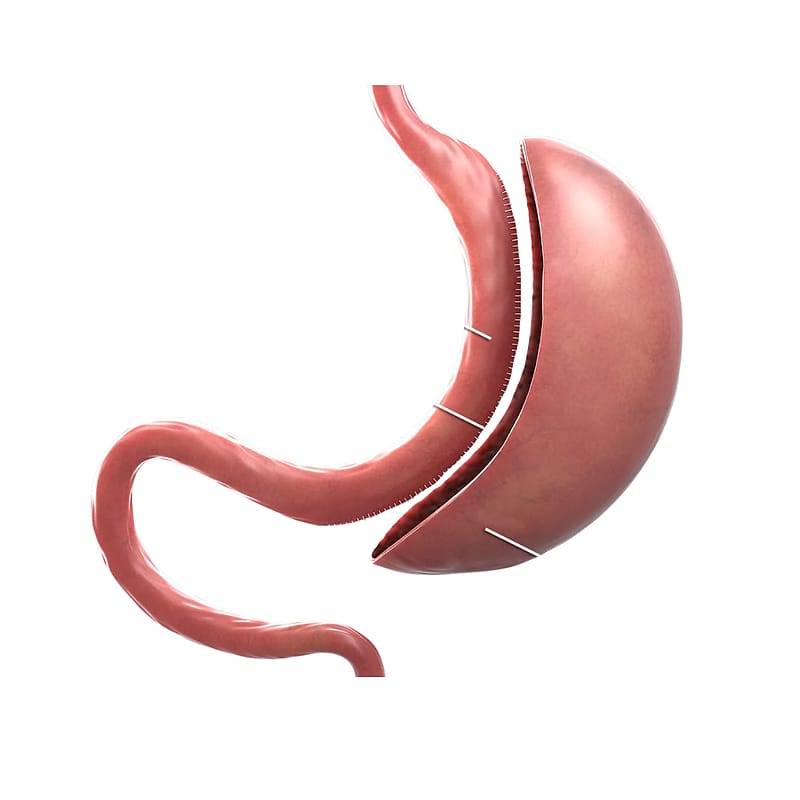
Sleeve gastrectomy
Reduces the size of the stomach by creating a smaller sleeve-shaped stomach. This can help patients feel full with smaller portions and may influence hunger hormones. It does not bypass the intestines. Reflux, diabetes and other health factors must be considered.
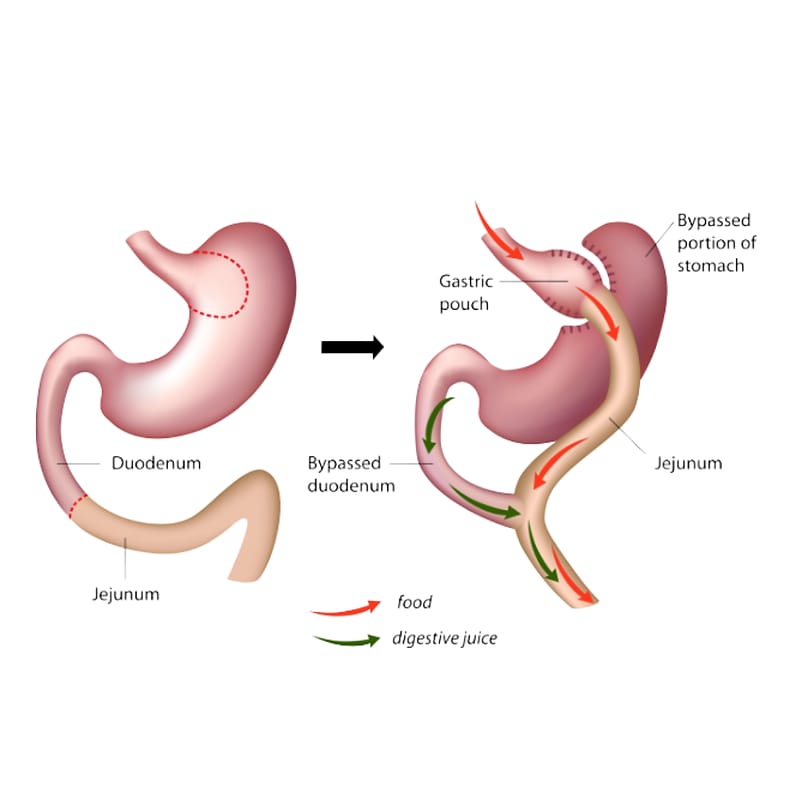
Roux-en-Y gastric bypass
Creates a small stomach pouch and reroutes part of the small intestine. This can reduce food intake and affect hormones involved in hunger, fullness and blood sugar control. May be considered for certain metabolic conditions or reflux concerns.
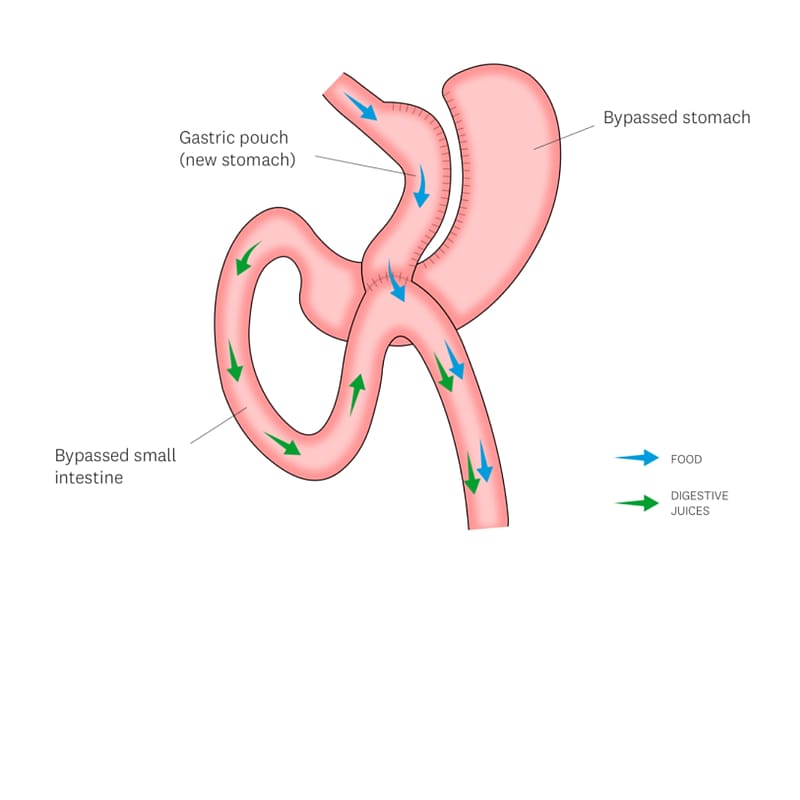
Mini gastric bypass / one-anastomosis
Creates a small stomach pouch connected to the small intestine in a different way from a Roux-en-Y bypass. May be appropriate for selected patients, but requires careful explanation of benefits, risks, nutritional follow-up and long-term monitoring.
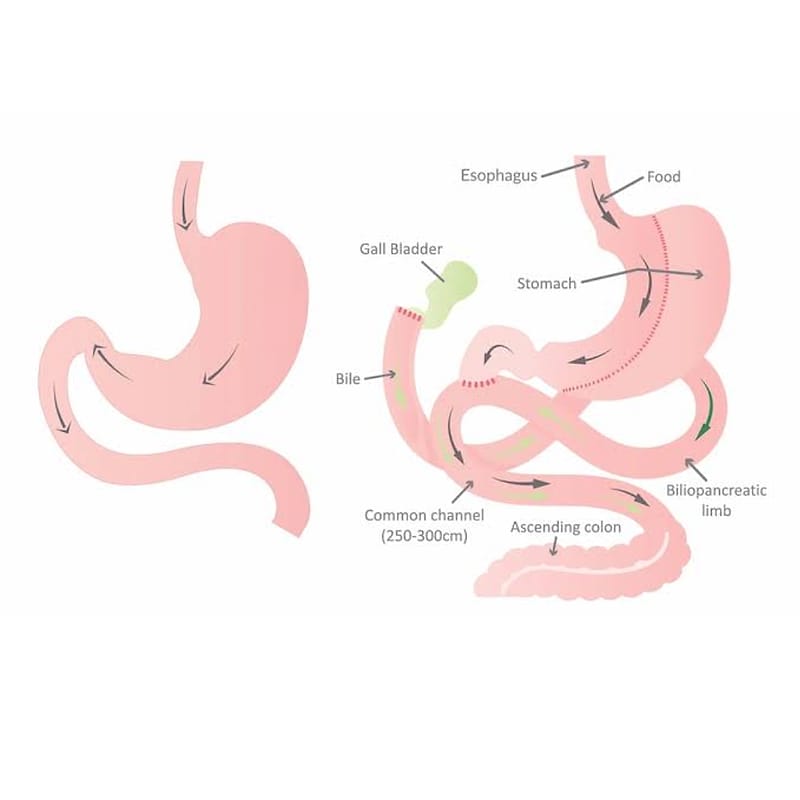
SADI / duodenal switch-type procedures
More complex metabolic procedures that may be considered in selected cases. They require careful patient selection, experienced surgical care and strong long-term follow-up, since nutrition and supplementation are especially important.
Not all procedures are equal
Bariatric procedures differ in their evidence base, risk profile, expected outcomes, impact on reflux, impact on diabetes, nutritional requirements and follow-up needs. The question is not only “how much weight can I lose?” Better questions include:
- Which procedure is safest and most appropriate for my health?
- What evidence supports this procedure?
- How could it affect my diabetes, reflux or other conditions?
- What risks do I need to understand?
- What follow-up will I need for the rest of my life?
- What lifestyle changes will I need to make?

Preparing for surgery
Before surgery, you may need:
- Medical assessment, blood tests and investigations
- Dietician consultations
- Psychological assessment
- Physician or specialist input
- Medical aid documentation
- Pre-surgery eating plan
- Education about the operation and recovery
- Family or support-person guidance

After surgery
You will need guidance on:
- Fluids, eating phases and protein
- Vitamins and supplements
- Activity and wound care
- Follow-up appointments and blood tests
- Warning signs
- Emotional adjustment
Bariatric surgery FAQs
Take the first step
If you are considering bariatric surgery, start with a confidential enquiry. We will help you understand whether surgery may be appropriate and what the next steps would be.